Scientific Solutions
Three families of technologies from the project's research — what they do, and what they can't (yet).
Advanced Materials for Water Harvesting
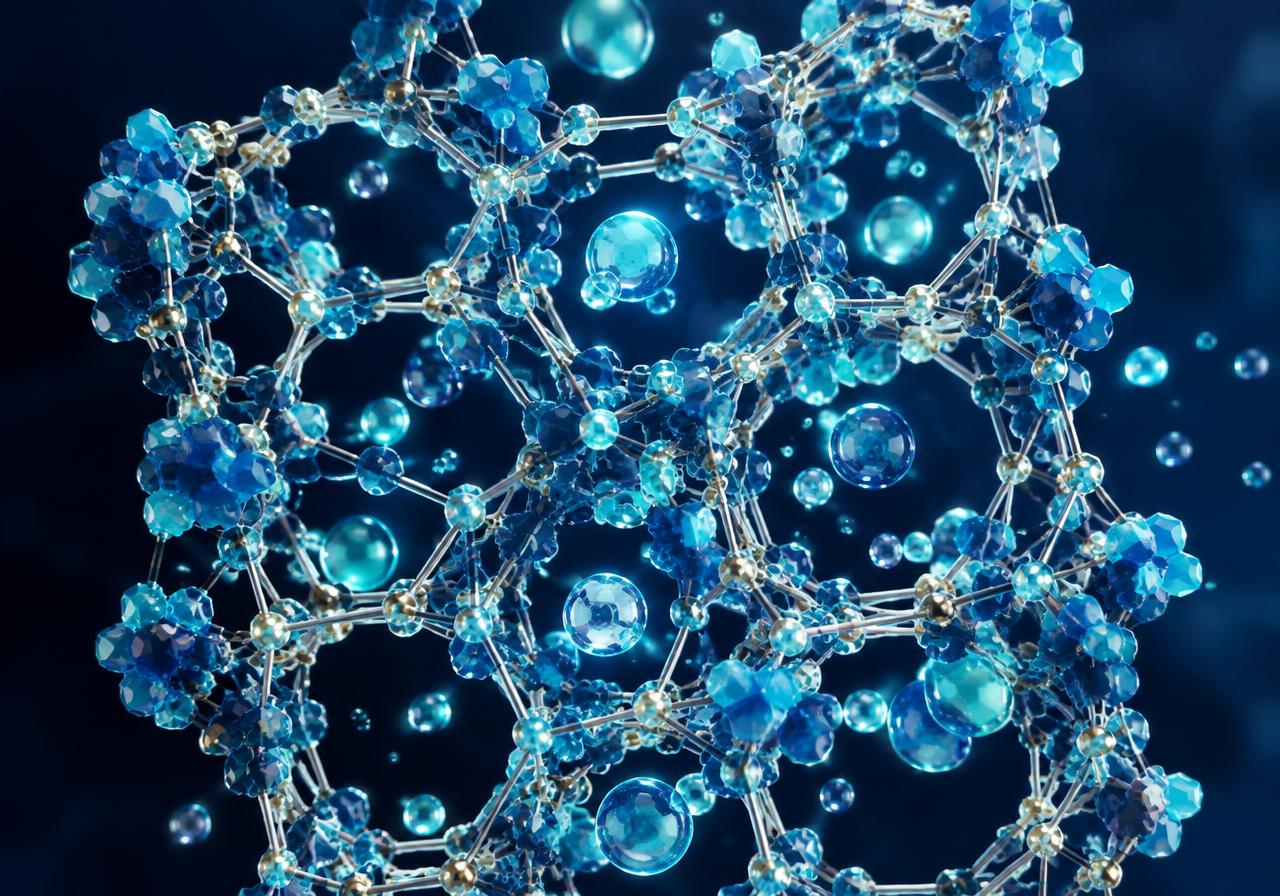
Metal-Organic Frameworks (MOFs) are crystalline materials made of metal clusters linked by organic molecules. One gram can have an internal surface area comparable to a sports field — ideal for trapping water vapor.
Extracting water vapor from air — a source available almost everywhere.
Zirconium-based MOF used in a 2017 sunlight-powered harvester.
Aluminium-based MOF; studied to reveal how water organizes inside pores.
Newer MOFs with high working capacity and stability over many cycles.
Low-grade solar heat releases water without grid electricity.
Pores adsorb water at night or in humid periods; solar heat desorbs it; a condenser collects liquid water.
Can work at low humidity where fog nets and dew harvesting struggle.
Off-grid drinking water, remote communities, emergency supply.
Material cost, scale-up, cycles per day and total volume remain challenges.
Carbon Capture & Greenhouse Gas Reduction
Three different ideas — often confused:
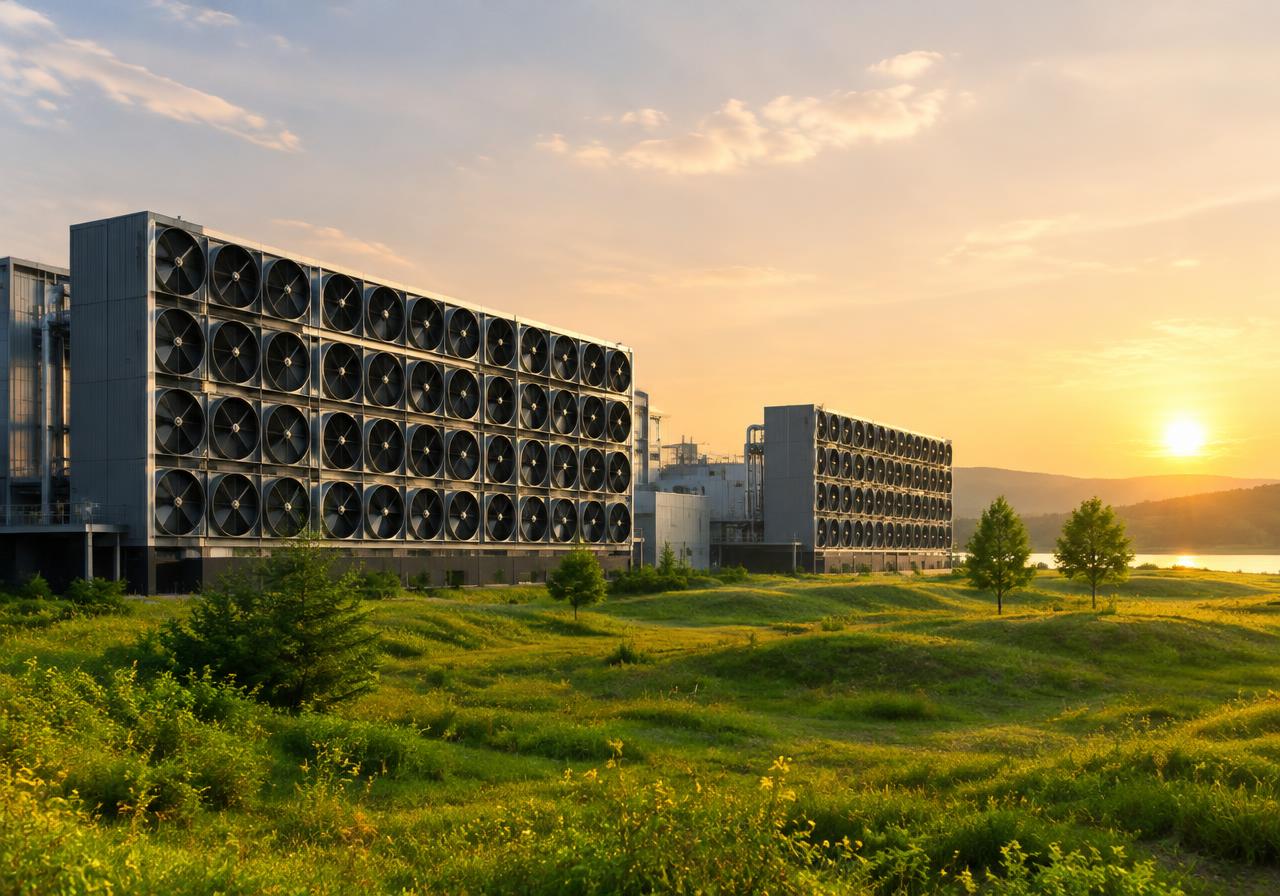
Separating CO₂ from air (DAC) or exhaust. Climate benefit needs permanent storage.
Turning CO₂ into chemicals or fuels. Impact depends on the products and how they are used.
Oxidizing CH₄ (e.g., photocatalysis) into less potent CO₂ and water.
Pulling CO₂ from ambient air (~400 ppm).
Amine groups bind CO₂ chemically inside MOF pores.
In some amine-MOFs, water can enhance capture (e.g., bicarbonate formation).
Electricity drives CO₂ reduction at gas diffusion electrodes.
Light-activated catalysts (e.g., modified TiO₂) break down methane.
Sustainable Industrial Processes
Heavy industry — especially cement — is a major emission source. Smarter processes and materials can cut that footprint.
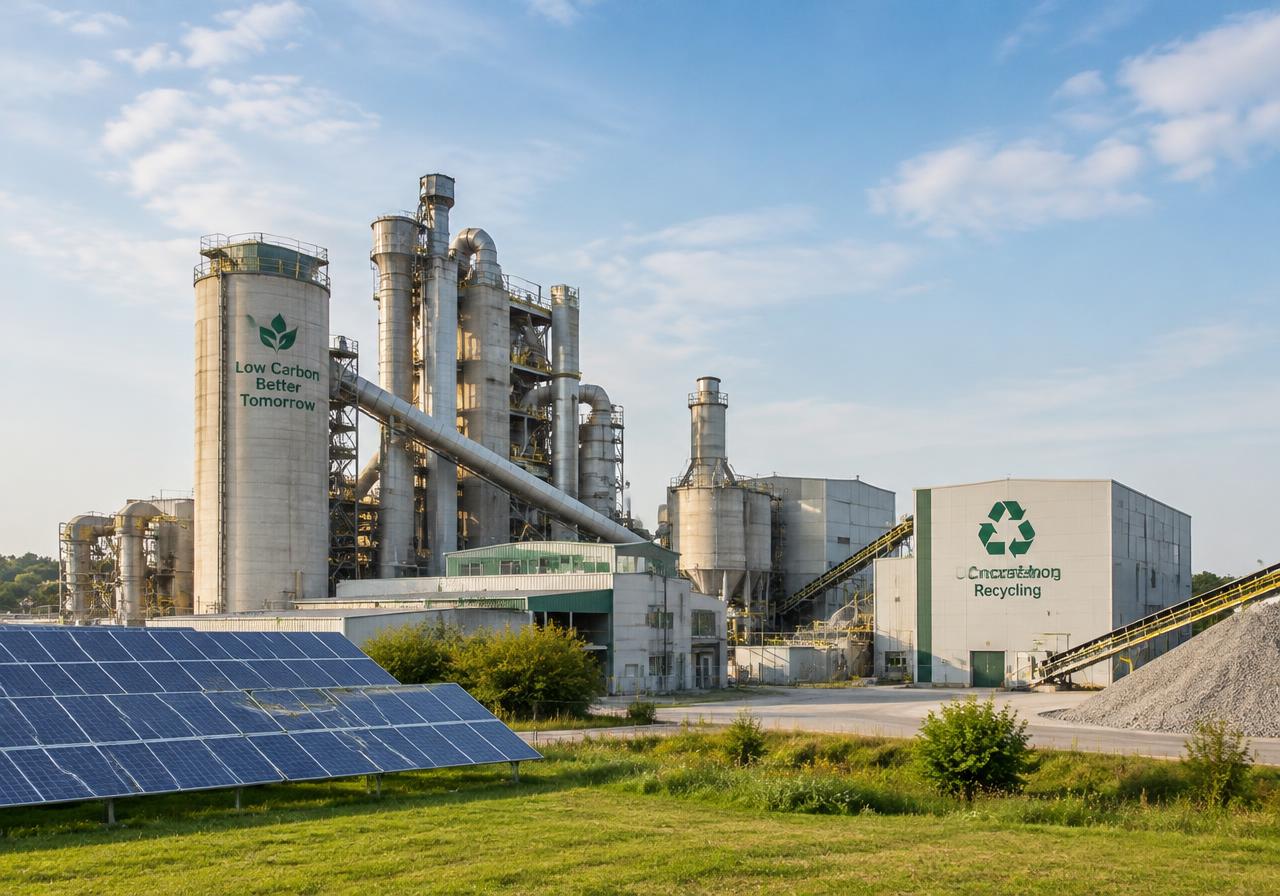
Old cement paste reused in electric steel furnaces to produce clinker-ready slag.
Better structural design and mixes reduce cement demand.
Using less material for the same function avoids emissions upstream.
Concentrated sunlight converts CH₄ + CO₂ into syngas (H₂ + CO).
Not every CO₂ conversion process permanently removes carbon from the atmosphere. If the product is a fuel that is later burned, the CO₂ is released again. The climate impact depends on the products and their eventual use.